DEF System Freeze-Ups: Diagnosing Winter Heater Failures
September 22, 2026 · PartsNow Guides
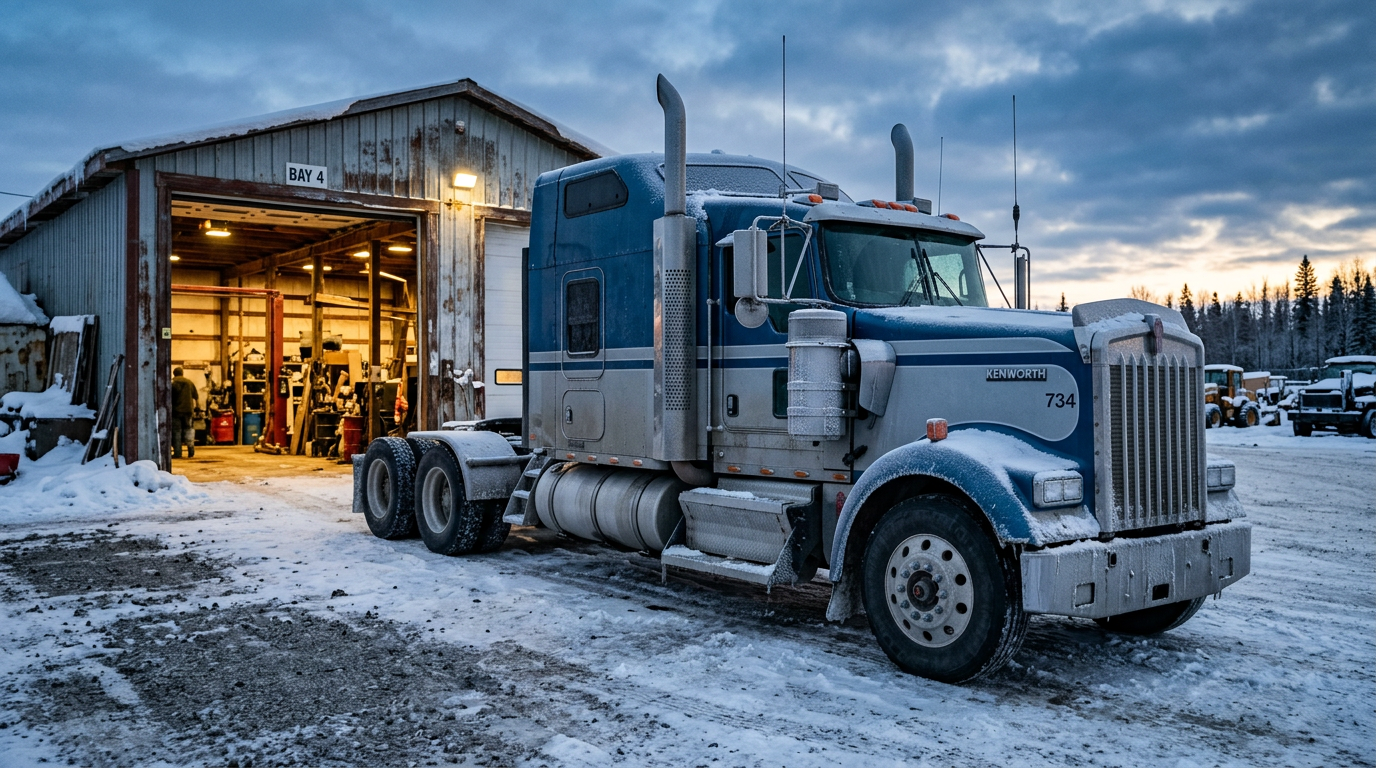
You're pre-tripping at 4am in a truck stop in International Falls and the dash lights up like a Christmas tree — SCR fault, DEF quality code, and a derate warning stacking up before you've even hit the highway. Nine times out of ten in weather like that, it's not a bad sensor or a software glitch. It's frozen DEF, plain and simple.
DEF freezes at 12°F, and every modern diesel built to meet EPA 2010 emissions rules has a whole network of heaters, coolant lines, and control logic built specifically to fight that fact. When any piece of that system fails — a bad heater element, a clogged coolant line, a stuck relay — the truck can't thaw fast enough, the SCR system can't dose, and the ECM starts pulling power to protect the engine.
This guide walks through how to find the actual failure point in a frozen DEF system instead of guessing, so you can get the truck moving again and keep it from happening on the next cold snap.
How the DEF Heating System Actually Works
Most trucks use engine coolant, routed through dedicated lines, to heat the DEF tank, the supply line, the return line, and the DEF pump/heater module. Some systems add electric heating elements at the tank or pump for faster warm-up before coolant gets hot.
The ECM controls this through a DEF heater relay (or several relays on multi-zone systems) based on ambient temp and DEF quality sensor readings. When the key is turned, most systems run a heater cycle even before cranking, and continue heating during operation.
Here's the part guys miss: if the truck sat cold for days, coolant heat alone can take a long time to reach every heated component, especially the pump module and the line closest to the tank fitting. Electric-assisted systems shortcut that, but only if the elements and relays are actually working. A failure anywhere in this chain — mechanical or electrical — shows up the same way on the dash: fault codes and a countdown to derate.
Reading the Fault Codes Before You Touch Anything
Pull codes before you start chasing parts. SPN 4334 (DEF tank heater), SPN 4360 (DEF line heater), and various SCR system performance codes point you toward tank vs. line vs. pump issues depending on the OEM.
A code for low DEF tank temperature with no heater fault usually means the heater just hasn't caught up yet — give it time. A heater circuit fault code, on the other hand, means something in that specific zone has failed electrically or mechanically and won't fix itself with idle time.
Write down every active and pending code, and note the ambient temp when they set. That combination tells you whether you're dealing with a slow-thaw situation or a genuine component failure. Don't clear codes yet — you'll want them for confirming the fix worked.
Checking the DEF Tank and Supply Line for Ice
Pop the tank cap (careful, pressure can build) and look/listen for slush or solid ice. A tank that's frozen solid at the bottom won't show the pump running dry — you'll get low DEF level or DEF quality faults instead.
Follow the supply and return lines from tank to pump module. Feel along the lines for cold spots or kinks — coolant lines that have collapsed or lost flow won't heat evenly, and you'll find one section ice-cold while the rest is warm. A common failure point is right at the tank fitting, where coolant lines are shortest and most exposed.
If you find a line that's consistently cold no matter how long the truck runs, suspect a coolant flow blockage — air pocket, kinked line, or a failed check valve — rather than a heater failure. That's a maintenance fix, not a part swap.
Testing the Heater Elements and Relays
If lines and tank check out but codes point to a specific heater zone, it's time to test electrically. With the key on, use a multimeter to check for voltage at the heater connector per OEM spec — no voltage means check the relay and fuse first before condemning the heater itself.
A relay that clicks but sends no power downstream is a common culprit, especially after a truck's sat in a yard through a hard freeze — moisture gets into the relay socket and corrodes contacts. Swap a known-good relay from another circuit if you're not sure, and see if the fault clears.
If voltage is present at the heater but it's not warming (check with an infrared thermometer against the housing), the heating element itself has failed and needs replacement — check current part numbers with your dealer or PartsNow.ai rather than guessing off an old catalog.
Getting Back on the Road Without Making It Worse
Don't idle for hours hoping it thaws on its own — that wastes fuel and time you don't have on a loaded run. If the truck's mobile and coolant heat is working, driving generates heat faster than idling and can finish the thaw while you're rolling toward a warmer stop.
If you're derated and stuck, a diesel-safe heat source aimed at the tank and pump module (never open flame, never a torch) can speed things along. Once thawed, clear codes and watch for the fault to return — if it does within a heat cycle, you've got a real component failure, not just a slow thaw.
Any work involving pressurized coolant lines near hot components, or diagnostics that require running the engine while under the truck, should follow proper lockout procedure — this isn't brake or steering work, but burns and pressure injuries are real risks. Take it slow in the cold.
Quick answers
Why does my truck derate in cold weather even with a full DEF tank?
A full tank doesn't mean the DEF is liquid — if it's frozen, the pump can't draw it and the ECM sees that as a DEF system fault, which triggers a derate to protect emissions compliance. Check for ice in the tank and cold spots on the supply line before assuming a sensor problem.
How long does it take for a DEF heater to thaw a frozen tank?
It varies by ambient temp and how long the truck sat, but a fully coolant-heated system can take 30-60 minutes of idle or driving to fully thaw a solid-frozen tank. If it's taking much longer than that consistently, suspect a heater or coolant flow failure rather than just cold weather.
Can I use antifreeze or additives to keep DEF from freezing?
No — never add anything to DEF. It's a precise urea-water mixture, and any contamination will ruin the SCR system and trigger DEF quality faults. The heating system is the only correct fix for freeze prevention.
What fault codes mean my DEF heater relay is bad?
SPN 4334 and SPN 4360 type codes (exact SPN/FMI combos vary by OEM) point to tank and line heater circuit faults respectively. If these codes are active alongside no heat at the component, check the relay and fuse before replacing the heater element itself.
Is it safe to keep driving with a DEF heater fault code active?
You can usually keep driving short-term, but expect a progressive derate if the fault isn't cleared — most systems cut power in stages the longer DEF dosing is interrupted. Get it diagnosed before you're stuck at reduced power on a tight schedule.
Parts for this job
Real products from the PartsNow catalog. Confirm fitment with Mike before ordering.


Still not sure what's wrong?
Mike — the free AI truck consultant — will walk through your exact symptoms and point you to the right part. No account, English or Spanish, 24/7.
