DEF Lines Freezing? Winter Prevention & Fixes for Fleets
July 13, 2026 · PartsNow Guides
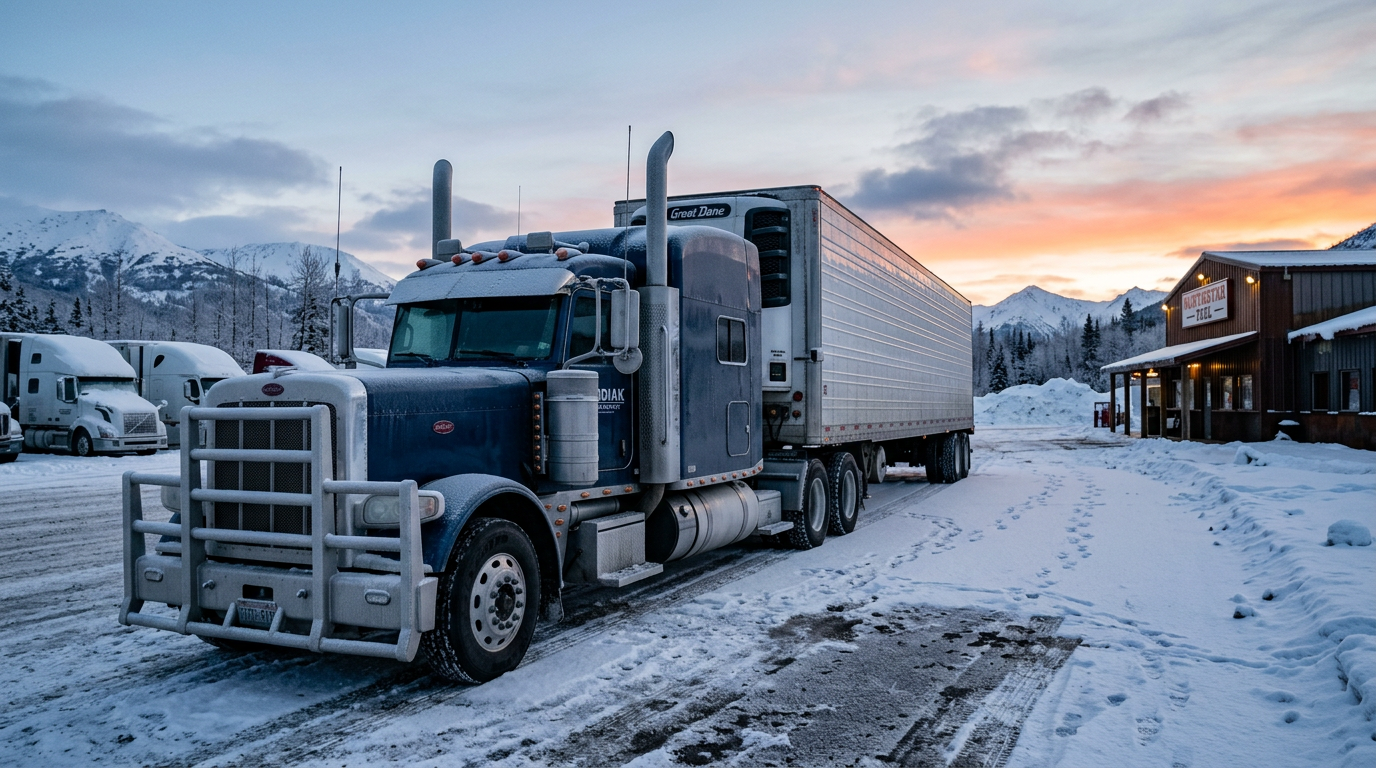
Cold snap hits, and suddenly you've got a truck sitting in the yard with a check-engine light and a DEF system throwing codes nobody wants to see at 5am. DEF freezes at right around 12°F, and once it does, you're not just dealing with a frozen tank — you're dealing with crystallized lines, stuck heaters, and an SCR system that thinks something's broken even when it's just cold.
The good news is most of this is preventable with a few minutes of attention before winter sets in, not after your fleet is stranded on the shoulder. This guide walks through what actually freezes, what to inspect on your heated DEF lines, and how to read the fault codes before they turn into a derate that costs you a load.
We'll also cover what NOT to do when a line's already frozen, because we've seen guys make it worse trying to thaw things out fast.
Why DEF Freezes and What It Does to Your Truck
DEF (diesel exhaust fluid) is about 67% water, and it freezes solid at roughly 12°F. That's by design — DEF is stable and doesn't need special additives, but it also means every truck running an SCR system has to fight ice all winter long.
When DEF freezes in the tank or lines, it expands. That's the part that catches guys off guard. A frozen line can crack a fitting or split a hose if the system wasn't designed to handle it — which is why OEMs build in heated lines and heated tanks in the first place.
Most systems are engineered to thaw themselves out within a set window after startup using engine coolant routed through the DEF lines and tank. The problem is when that heating circuit isn't working right — a bad heater element, a pinched coolant line, or a failed relay — and the truck can't self-thaw before the SCR system decides it's had enough and starts pulling power.
Inspecting Heated DEF Lines Before Cold Hits
Don't wait for the first freeze to find out your heated lines aren't heating. Do this walk-around in the fall:
- Trace every DEF line from tank to pump to injector and check for cracked or brittle insulation sleeves — UV and road grime break these down over time
- Check heater connectors at the tank, pump, and dosing valve for corrosion or loose pins; a bad connection means no heat, even if the element's fine
- Verify coolant flow through the DEF heating circuit — if your truck routes engine coolant to warm the tank, confirm there's no air lock or blockage
- Test the heater relay/module with a scan tool if you've got history of slow warm-ups or repeat cold-weather codes
- Look for chafe points where lines run near frame rails or moving components — a rubbed-through heater wire won't show until it's too cold to matter
If you find heater elements not drawing current per OEM spec, that's a part swap before winter, not during it.
Tank Insulation & Parking Tips That Actually Help
You can't out-insulate a hard freeze, but you can buy your heating system time and reduce strain on it.
- Park nose-into-wind or in a wind-blocked spot when possible — DEF tanks mounted low and exposed lose heat faster in a direct crosswind
- Use a block heater on the truck overnight; it keeps coolant warm, which speeds up how fast the DEF heating circuit can do its job at startup
- Don't let the tank run near-empty in cold weather — more fluid volume holds heat better and resists freezing longer than a nearly-dry tank
- Keep the fill cap and vent clear of ice buildup — a frozen vent can cause pressure issues that mimic a bigger DEF system fault
- Consider tank wrap insulation kits if your fleet runs regularly below 0°F; they're not a substitute for the OEM heater but they cut recovery time
None of this replaces a working heater circuit — it just takes pressure off it.
SCR Fault Codes Tied to Frozen or Gelled DEF
When DEF freezes, the SCR system usually throws codes related to the DEF temperature sensor, DEF quality sensor, or DEF pump pressure before it ever gets to a derate. Watch for patterns like:
- Repeated low-temperature codes on the DEF tank sensor that clear on their own after warm-up — normal in cold weather, but track how long it takes to clear
- DEF pump pressure codes showing low or no pressure at startup — often means the line or pump inlet is still frozen even though the tank's thawed
- DEF quality sensor faults that pop up only in cold months — can mean ice crystals are confusing the sensor, not an actual quality problem
- Any code that escalates from a warning to an active derate within a short window — that's the SCR system telling you it's given up waiting for thaw
Pull codes with a scan tool and check SPN/FMI combinations against OEM documentation rather than guessing. Don't clear codes and keep driving without confirming the heater circuit actually did its job — that's how a warning turns into a stranded truck.
Quick Fixes When You're Already Frozen Up
If a truck's sitting with a frozen DEF system and you need it moving, here's what actually works — and what doesn't.
- Move it into a heated bay if you've got one; ambient heat is the safest and most even way to thaw a tank and lines
- Let the truck idle after startup — many systems will self-thaw within a defined window using engine coolant, so don't shut it down and restart repeatedly, which resets that timer
- Never pour hot water directly on the tank or lines — thermal shock can crack plastic components fast
- Don't add antifreeze, methanol, or any "winter additive" to DEF — it contaminates the fluid and can damage the SCR catalyst, which is a far more expensive fix than a frozen line
- Check for active derate before you dispatch — if the truck's already in reduced power mode, get it to a shop rather than pushing through it on the road
If you're not confident diagnosing whether it's a frozen line versus a failed heater component, that's a call for a certified tech before the truck goes back in service.
Quick answers
Can I pour hot water on a frozen DEF tank to thaw it faster?
No — hot water on a cold plastic tank or line can cause thermal shock and crack components. Let the truck's built-in heating circuit do the work, or move it into a heated bay if you need it thawed quickly.
What temperature does DEF actually freeze at?
DEF freezes at roughly 12°F since it's mostly water. It doesn't ruin the fluid — it just needs to thaw before the SCR system can use it, which is what your heated lines and tank are designed to handle automatically.
Is it safe to keep driving with a DEF-related derate warning?
You can usually keep driving through an early warning, but once it escalates to an active power derate, get the truck to a shop rather than pushing through — continuing to run it in that state risks compounding the problem and can leave you stranded.
Parts for this job
Real products from the PartsNow catalog. Confirm fitment with Mike before ordering.


Still not sure what's wrong?
Mike — the free AI truck consultant — will walk through your exact symptoms and point you to the right part. No account, English or Spanish, 24/7.
